If water is coming up through the tub or shower drain, stop household water use, keep people and pets away from the water, and arrange prompt plumbing help. Avoid flushing toilets, running taps, or starting laundry to test the drain. Water that rises after another fixture operates may indicate a restriction in a shared waste path.
This guide is for reverse flow into a tub or shower, particularly after toilet, sink, or washer use. If your own shower water simply leaves slowly and no other fixture is affected, use the slow shower drain or slow bathtub drain guide after checking their warning signs.
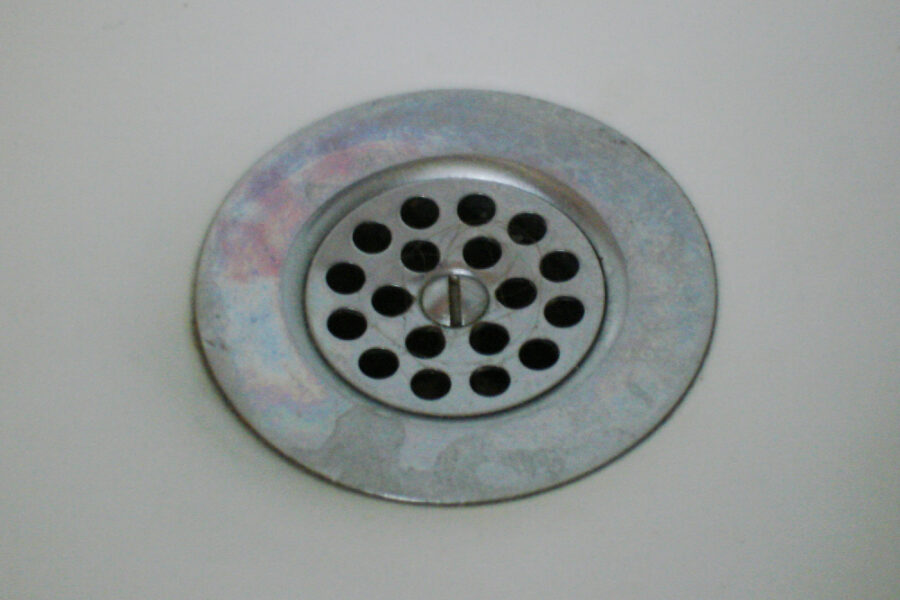
Featured photo: a dry bathtub drain by Stilfehler, CC BY-SA 3.0. This is a component reference, not footage of a backup. Keep clear of any water rising from your drain. Reference media may be resized for display.
What to do first
- Stop adding water. Tell everyone in the home to pause toilet flushing, baths, showers, laundry, and dishwashing. Stop an appliance using its normal controls only when you can reach them safely. Do not select a cycle that deliberately drains more water into the affected system.
- Keep the area off limits. Treat water returning from a waste pipe as potentially contaminated, even if it looks clear. Keep children and pets out. Do not step into the tub to inspect the outlet or carry buckets through the home.
- Check for immediate danger from a safe position. Stay away from standing water near outlets, appliances, or electrical panels. Do not enter water to switch off power. Get appropriate emergency help for immediate electrical danger or rapidly spreading flooding.
- Contact the appropriate service. Explain that water is coming up through a drain and state which fixture was being used when it started. Contact the sewer utility or building manager where relevant, as described below.
- Preserve useful information without recreating the event. Note the time, location, extent, and products already used. Take a photograph only from a dry, safe location.
NYC DEP’s guidance explains that blocked or broken sewer paths can cause backups and that floodwater may contain sewage and germs. Its local reporting process is for New York City; use your own utility’s instructions elsewhere.
Why does the water appear in the tub or shower?
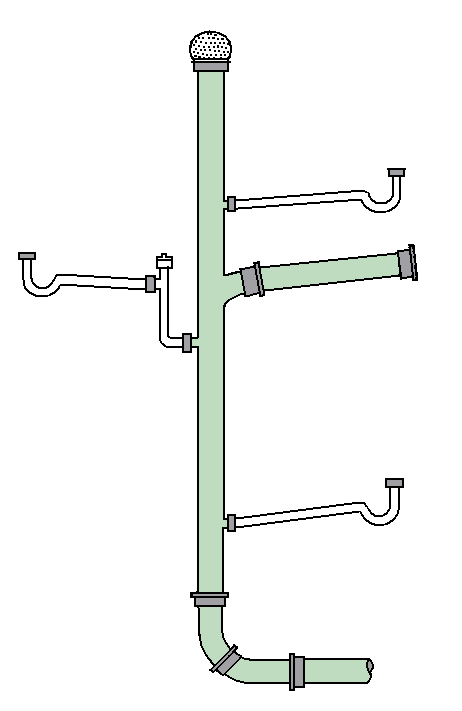
A tub or shower outlet can be a low opening connected to the affected drainage route. If wastewater cannot move downstream normally, it may rise at a connected fixture. The place where water appears is therefore not necessarily the place where the restriction sits.
For example, water entering a downstairs tub after a toilet flush raises a different question from hair collected directly under the tub stopper. The former involves how fixtures connect and drain; cleaning the visible tub opening alone may leave the shared problem untouched.
For a broader explanation of branches, building drains, and sewer service lines, see multiple slow drains and possible main-line problems. Do not delay getting help to finish a diagnosis yourself while water continues rising.
What the trigger can tell the person you call
| When water appeared | Useful wording for the call | What remains uncertain |
|---|---|---|
| After a toilet flush. | “The tub was empty, then water came up through its drain after one flush.” | The restriction’s location and whether the branch or a farther pipe is involved. |
| During washer discharge. | “The shower drain rose while the washer was draining; the appliance is now stopped.” | Which shared route is affected and whether other faults are present. |
| During heavy rain. | “The backup began during rainfall; these fixtures are affected.” | Whether a public sewer, private line, groundwater, or onsite system is involved. |
| With no known water use in this unit. | “We had stopped using water, but the level continued to rise.” | Whether a shared building or external source is contributing. |
| Only during use of this shower or tub. | “The water we used accumulated; we did not observe reverse flow while it was off.” | Whether this is an isolated restriction or part of a wider problem. |
The examples are observation templates, not proof of a particular cause. Do not name a broken main or failed vent unless a qualified assessment has established it. Mention any earlier toilet bubbling during shower use or sink gurgling as part of the sequence.
Who should you contact?
Copy this urgent service-call summary
Call promptly; do not wait to complete every field. Copy these lines into your notes and describe only what you already observed from a dry, safe place. Say “unknown” when you do not know. Use the contact guidance below for your property.
Property address / unit: [fill in]
Sewer or septic, if known: [fill in / unknown]
First noticed, date and time: [fill in]
Water emerged from: [tub / shower / other]
Fixture in use just before it rose: [fill in / unknown]
Level now: [rising / unchanged / receded / unknown]
Other affected fixtures or areas: [fill in / unknown]
Household water use paused: [yes / no / unknown]
Drain chemicals used, product and time: [fill in / none / unknown]
Flooding or electrical concern already noticed: [fill in / unknown]
After the call, contact / reference / next step: [fill in]
If you use a public sewer
Contact a plumber promptly and follow your local sewer utility’s emergency reporting procedure. Give the property location, whether the level is still rising, and any street or neighboring-property issue already known. Do not open a street manhole or enter a flooded area to collect more evidence.
Some utilities investigate suspected public-line backups before private repairs proceed. Confirm the process for your address. The existence of a nearby public sewer does not establish who owns the pipe that needs work or who will pay for it.
If you rent or live in a shared building
Notify the building manager or landlord’s emergency maintenance contact immediately. Ask them to coordinate other units if shared drainage is suspected. Tell them that your household has stopped water use. Do not turn a shared-building shutoff or attempt to isolate another unit yourself.
If you have a septic system
Contact a qualified septic service provider and, when needed, the local health or onsite-wastewater authority. EPA guidance on septic malfunctions treats sewage backing into the home as a reason to avoid contact and seek appropriate help. Do not open a septic tank, enter one, or walk over contaminated wet ground to inspect the system.
Will shutting off the main water valve stop the backup?
It may stop new water entering your home’s supply piping, but it does not close the wastewater connection. Water already in appliances or pipework, or wastewater from elsewhere in a shared system, can still be involved. A supply valve is not a sewer backwater valve.
Use a household water shutoff only when there is a reason to stop incoming supply and the correct valve is safely accessible and operates normally. Do not force a seized valve or operate utility, fire-protection, or shared-building controls. See how to identify the household water shutoff for preparation; do not search a flooded room for it during an active hazard.
What not to do while waiting
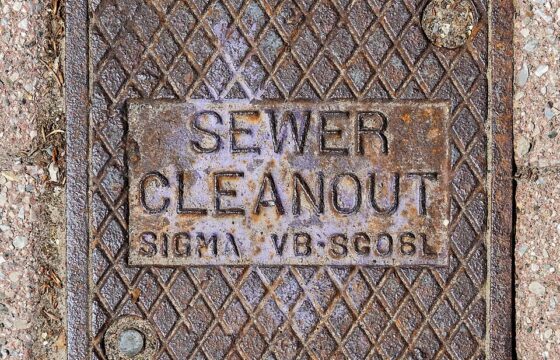
- Do not open a cleanout cap. A backed-up line may release wastewater when opened. Tell the professional about a known access point without disturbing it.
- Do not pour chemicals into the tub. Adding a treatment to unidentified backed-up water introduces another hazard without locating the fault.
- Do not plunge or snake a chemically treated drain. Give the product name to the service provider. Drano’s precautions explicitly warn against plunging after the product is used because it may remain in the drain.
- Do not plug every outlet or remove a toilet as an improvised fix. Changing where backed-up water can emerge is not the same as restoring drainage.
- Do not use the bath again merely because the level falls. Temporary recession does not establish that the underlying restriction or contamination has been resolved.
Before using the bathroom again
Drainage repair and contamination cleanup are separate tasks. Use these questions with the responding professionals before returning the affected bathroom to use. A falling water level alone does not answer them.
| Review | Ask the responding professional | Keep in the record |
|---|---|---|
| Drainage repair | What was found, where was it found, what was cleared or repaired, and how was operation checked? | The finding, inspected pipe area, work completed, and service report. |
| Contamination and drying | Which surfaces or materials were affected, what cleanup and drying are needed, and what remains unfinished? | Affected areas and the cleanup provider’s assessment and work record. |
| Return to use | Which fixtures can be used, what restrictions remain, and who should be contacted if water rises again? | The provider’s instructions, remaining work, and follow-up contact. |
If water reached flooring, walls, cabinets, or other porous materials, arrange an appropriate cleanup and drying assessment. NYC DEP’s backup guidance calls for cleaning and disinfection after sewage exposure; local health guidance and the actual contamination determine the work needed.
The City of Calgary’s backup guidance emphasizes protection from contaminated water and contacting the insurer. Local cleanup and claims arrangements vary. Record the affected areas and ask your insurer or property manager what documentation they need; do not delay measures needed to protect people.
Follow the cleanup professional’s or local health authority’s directions for the surfaces and contamination involved. Do not pour bleach into a drain containing unknown chemicals. This article does not provide a universal disinfection mixture because product strengths, materials, and exposure conditions differ.
Ask what will prevent a repeat
Keep the service findings, pipe location, any inspection images, and the recommended follow-up. If a backwater valve is proposed, ask whether it is suitable for the actual cause and what maintenance and water-use restrictions apply.
North Dakota State University Extension explains that backwater protection needs inspection and that a closed sewage valve can prevent household wastewater from leaving. Installing or operating a valve is not a substitute for understanding the building’s system.
Frequently asked questions
Is clear-looking water from a drain safe?
Appearance does not establish cleanliness. Treat reverse flow from a wastewater pipe as potentially contaminated and keep people away until it is assessed and cleaned appropriately.
Can I use an upstairs bathroom while the downstairs tub backs up?
Do not assume so. It may drain into the same affected route. Pause household water use and ask the responding professional or building manager what can safely remain in service.
Does toilet water in the tub mean I need a new toilet?
No. Water movement between fixtures can result from a problem in their shared drainage route. The receiving tub and the toilet may not be the components that need replacement.
What if the water stops rising before help arrives?
Keep the appointment and explain what changed. A lower level does not confirm normal capacity, remove contamination, or show why the event occurred.
Research-based guidance from The Home Fix Guide. Local utility instructions and an assessment of the actual property take priority. See the drains and odors overview for related guides after the urgent issue is controlled.