Toilet tank condensation forms when humid air meets a tank surface cold enough for moisture to collect. Widespread droplets suggest condensation, while water starting at a fitting suggests a leak. Dry accessible surfaces, compare the pattern, and check for unexpected refilling. Stop using the toilet if water comes from the base.
Compare moisture on the tank with other toilet troubleshooting symptoms before assuming which seal needs replacement.
Why a toilet tank can sweat
A tank filled with cold water can cool its outer surface. If that surface is below the surrounding air’s dew point, water vapor condenses on it, much as it does on the outside of a cold drinking glass. This is water from the room air, not necessarily water passing through the tank wall.
The practical issue is where that moisture goes. Droplets may run down the tank and collect on the floor. Repeated wetting should be addressed even when the porcelain is intact. Do not assume a bathroom floor is protected from every prolonged moisture problem simply because the visible finish is tile.
This guide concerns visible moisture on a conventional toilet tank. A concealed cistern, pressure-assisted unit, or electrically powered toilet needs its own instructions. Do not open a pressure vessel or electrical enclosure to investigate condensation.
Compare the moisture pattern before choosing a repair
| Pattern after safe drying | Next observation |
|---|---|
| New beads spread across a broad tank surface | Record bathroom humidity and whether a hot shower just occurred. |
| One fitting or seam gets wet first | Treat that location as a possible leak; choose the next check from the first wet point. |
| Refilling is heard without a flush | Check unexpected refilling before choosing a repair. |
| Floor joint becomes wet after flushing | Stop using the toilet and follow the base-leak guidance to arrange an assessment. |
Photograph the same accessible area at two times and label each image. Condensation and a plumbing leak can coexist; a damp tank does not explain away a leaking fitting.
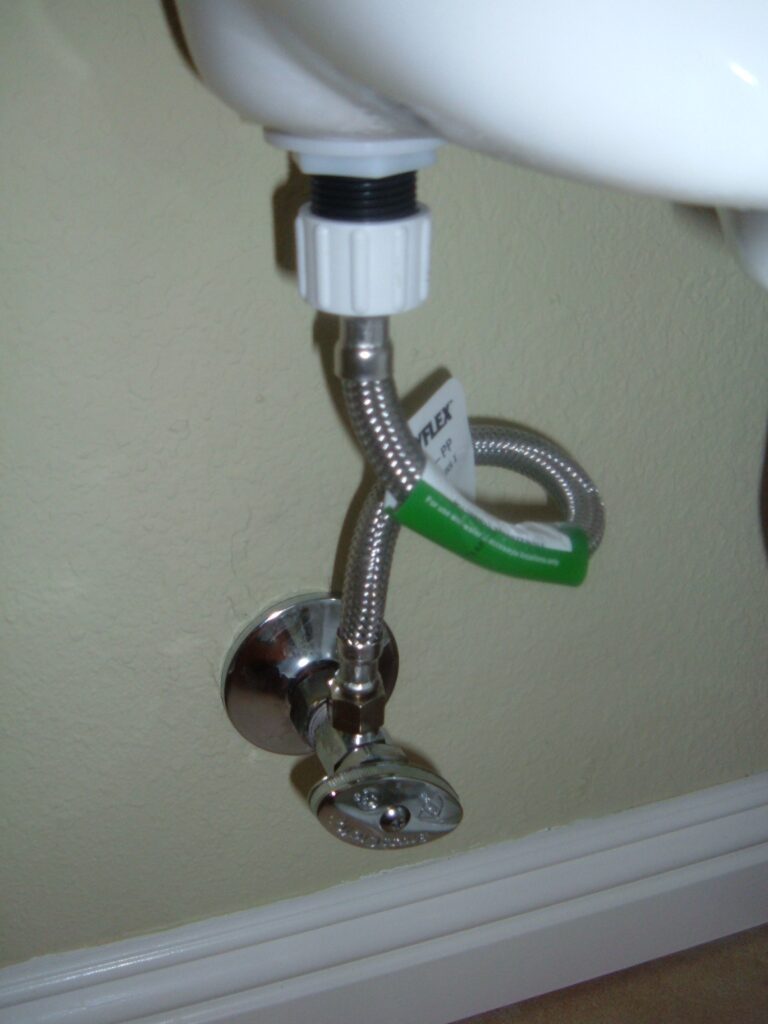
First stop if water is spreading, appears contaminated, or is near electrical equipment. A cracked tank, toilet movement, or a damaged floor needs professional attention. If the problem is a small amount of accessible exterior moisture with none of those warning signs, make a simple comparison.
- Photograph the wet area before wiping it.
- Dry the accessible outer tank surface and nearby dry-safe floor area.
- Look for the first place moisture returns while the toilet remains unused.
- Note whether a shower recently ran and whether the toilet refills by itself.
- Compare the pattern again without deliberately producing more steam or repeatedly flushing.
Choose the next step from the first wet point. For a wet joint between tank and bowl, use the tank-gasket versus floor-seal video reference; do not assume either seal has failed. For unexpected refilling with a dry exterior and no other warning signs, follow the dye-test preparation and result guide.
For widespread beads without a localized leak, continue to the humidity checks below and keep the findings in your maintenance record. Condensation and a plumbing leak can coexist. Stop routine checks for floor leakage or damage rather than choosing a humidity treatment from the tank’s appearance alone.
If the water starts at floor level or its origin remains unclear, use the toilet base leak guide and arrange an inspection. Avoid wrapping fittings in towels and leaving them hidden; that makes the first wet point harder to identify.
Check bathroom humidity without guessing
A small humidity monitor can help distinguish a briefly steamy bathroom from a room that remains damp. Keep it away from direct spray and follow its placement instructions. Record the reading before and after normal bathroom use rather than treating one measurement as the whole story.
EPA recommends keeping indoor relative humidity below 60%, ideally 30–50%, and identifies ventilation and dehumidification as ways to control moisture. Those are general indoor guidance ranges, not a guarantee that every cold toilet tank will stay dry at a particular reading.
Use a working bathroom exhaust fan during moisture-producing use and let it clear lingering humidity. If the fan seems ineffective, have its performance and discharge arrangement assessed. Do not install new ducting or alter electrical wiring without an appropriately qualified professional.
Opening a window may help in suitable conditions, but outdoors is not always drier. On a humid day, compare what actually happens indoors. A plug-in dehumidifier also needs a safe, dry location and suitable electrical supply; a cord stretched across a wet bathroom floor is not a solution.
Why a humidity reading alone cannot confirm condensation
The tank surface temperature matters as well as the moisture in the air. The National Weather Service explains dew point as the temperature at which air reaches saturation when cooled. Relative humidity alone does not tell you whether a particular cold surface is below that point.
For a hypothetical example, assume the room’s dew point is 60°F. A tank surface at 55°F is below that point, so condensation can form. A surface at 65°F is above it under the same room conditions. These are explanatory numbers, not measurements or a suggested toilet-water temperature.
A wet tank is still not proof of condensation: a fitting leak can occur at the same time. Pair your humidity notes with the first location where moisture returns. Do not add hot water, apply a heater to the porcelain, or alter the supply to try to reproduce this example.
Listen for refilling when nobody has flushed
Humidity and cold water are only part of the investigation. If water keeps leaving the tank internally, the fill valve may repeatedly replace it. Frequent replacement can keep the tank cold, making condensation harder to control in a humid room.
Kohler describes intermittent refilling as a symptom of water loss from the tank, with possible causes including a worn seal or overflow. That is a reason to check the operating behavior, not a reason to choose a flapper solely because the outside is damp.
When there is no external leak, crack, or other warning sign, our toilet dye test guide can help check for a silent tank-to-bowl leak. If the tank runs continuously or refills unexpectedly, follow the running toilet troubleshooting guide. Resolve confirmed water loss before deciding whether additional condensation treatment is needed.
A toilet can also sweat after ordinary heavy use even when its internal parts work. Record whether the problem follows several normal flushes or happens during a long idle period. That difference helps a plumber decide which observations deserve attention first.
How to reduce toilet tank condensation
- Check for a plumbing leak first. If a fitting gets wet first or the toilet refills unexpectedly, follow the matching leak checks above. Condensation and leakage can coexist.
- Reduce excess room moisture. Use the humidity and ventilation checks above, then record whether widespread beads return during normal use.
- Check model-specific options if moisture persists. Ask the manufacturer or a qualified plumber about suitable tank insulation or other condensation-control measures. Repair a confirmed leak rather than hiding it with a cover.
Some toilets are sold with insulated tanks. Whether a liner or another product is suitable for your existing model is a manufacturer question. Do not fit improvised material around moving parts or cover markings, overflow openings, or service access. A kit that fits one tank may interfere with another.
An anti-sweat mixing valve changes the plumbing supply arrangement. Discuss compatibility and installation with a licensed plumber; do not simply connect the toilet to a hot-water line or raise the water-heater temperature. Buying a replacement toilet also deserves a diagnosis first, since poor ventilation can leave other bathroom surfaces damp even after the toilet changes.
Keep a short comparison record
Use the same observation points over a few periods of ordinary use, provided there is no active leak or damage requiring immediate service. You do not need to run an experiment that creates more moisture. An accurate note about a dry tank is useful too.
| Record | Example of useful detail |
|---|---|
| Location | Fine droplets across the front; supply fitting dry. |
| Bathroom use | Shower just ended; exhaust fan was running. |
| Humidity | Actual monitor reading and time, if a monitor is available. |
| Toilet behavior | No unexpected refill heard, or the time a refill occurred. |
| Result after a change | Surface stayed dry after ventilation improved, or the same fitting became wet again. |
These are examples of what to record, not findings from a home we inspected. Add the confirmed cause and remedy to your plumbing maintenance checklist. A well-placed leak sensor may alert you to water reaching the floor, but it cannot tell condensation from a plumbing leak.
When to call for help and what to ask about cost
Get help for repeated floor wetting, an uncertain source, an ineffective exhaust fan, or moisture that persists after reasonable humidity control. Stop routine checks for cracks, movement, electrical hazards, or damage to the room below. Renters should report recurring moisture to building management.
Ask the provider to separate plumbing diagnosis from ventilation assessment and any proposed installation. A fitting repair, fan repair, insulated replacement tank, and new supply valve arrangement are different jobs. Ask which observation supports each recommendation and whether follow-up checks are included. There is no useful single repair price without knowing the actual cause.
Frequently asked questions
Is condensation a sign that the toilet tank has cracked?
Not by itself. Condensation forms on the outside, but a crack or fitting leak may also create moisture. A visible crack needs professional assessment; do not cover it and continue using the fixture.
Will replacing the flapper stop toilet sweating?
Only if a confirmed internal leak is contributing to the problem, and even then humidity may still need attention. A flapper is not a general treatment for condensation.
Can I hide the moisture with a tank cover or floor mat?
That does not identify or correct the cause. Keep the area inspectable and dry, and address repeated wetting rather than allowing absorbent material to stay damp.
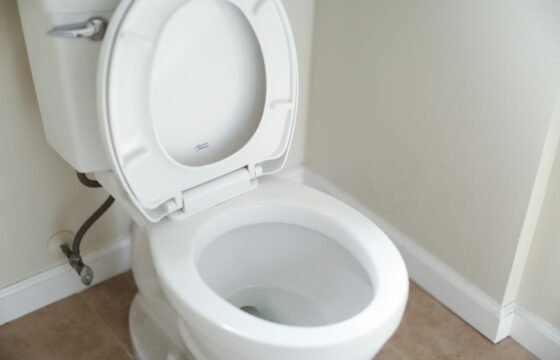
This guide explains observations and next steps, not an on-site diagnosis. Featured photograph: Point3D Commercial Imaging Ltd. on Unsplash. Stock bathroom image with a visible toilet tank; it does not document condensation, a leak, or a repair by our team.