Toilet leaking at base? Water may come from the supply connection, tank, condensation, or the seal beneath the toilet. Stop using the toilet if water appears during flushing, the fixture moves, or the floor feels damaged. Check accessible surfaces from top to bottom before assuming the wax ring has failed.
For running, slow filling, or other symptoms without floor leakage, choose the relevant toilet troubleshooting guide.
Toilet leaking at base: stop the leak from becoming a larger problem
Do not keep flushing to demonstrate a known leak. Keep children and pets away from water of uncertain origin. If water is spreading, close the toilet’s water supply only when its valve is accessible from a dry, safe position and turns normally. Do not force a stuck valve or loosen the connection behind it.
Closing the supply prevents more refill water from entering; it does not empty the tank or stop someone from flushing the water already inside it. Tell everyone in the household to leave the toilet unused. In an apartment, notify building management promptly, particularly if another unit could be affected.
Stay out of an area with water near an electrical outlet, powered bidet, or other electrical equipment. Do not reach through water to unplug anything. A cracked fixture, unstable floor, spreading ceiling stain below, or sewage backup needs prompt professional attention. Do not press on a swollen floor or stand beneath a sagging ceiling to inspect it.
Look for the first wet point, not the largest puddle
Dry-area observation record
Save your checklist selections
Select the prompts you want to keep. Add your observations and date to your own notes; a selected box is not a finding.
Use your device to copy the checklist or written calculation into your own notes.
A dry supply connection does not prove that the concealed floor seal is intact. Water around the floor joint, especially associated with flushing, needs the assessment described below.
A puddle shows where water collected, which may be several inches from its source. Water can travel down porcelain, along a hose, or across the floor. A useful first observation is whether anything above the base is already wet.
With the fixture unused and the area safe to approach, look at the accessible supply hose, its connections, the outside of the tank, and the tank-to-bowl joint on a two-piece toilet. A dry paper towel lightly touched to an accessible exterior connection can make a small drip easier to see. Do not reach into dirty water, remove fittings, or put your weight against the tank.
| First sign you notice | Possible source | Useful next step |
|---|---|---|
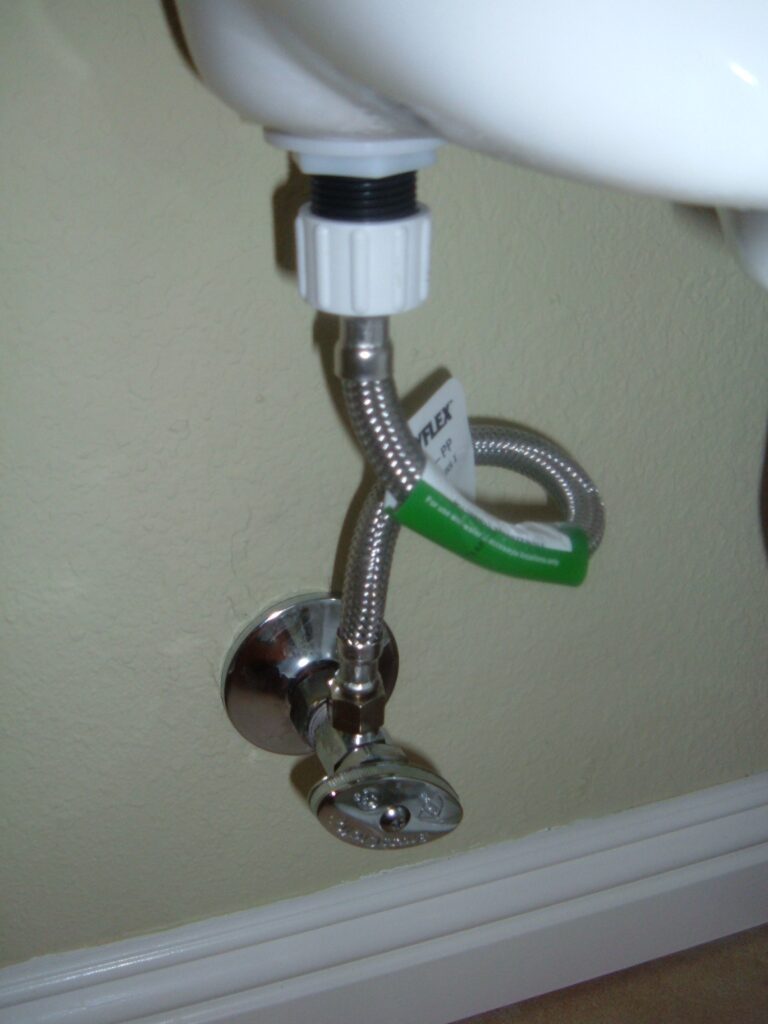
| A drop at the wall valve or hose connection | Supply-side connection or component | Keep the supply isolated if safely possible; arrange repair of that location. |
| Water below the tank or at its connection to the bowl | Tank fitting, gasket, or porcelain problem | Photograph the first wet point and provide the toilet model. |
| Fine droplets over a broad tank surface | Condensation is possible | Compare with the separate condensation guide, while checking for a localized drip. |
| Water emerges at the floor after a flush | Toilet outlet seal, flange, or another drainage fault | Stop using the toilet and request a plumber’s diagnosis. |
| Water arrives after a shower or cleaning | A nearby water source may be involved | Record the timing; do not rule out a toilet leak without checking. |
These observations narrow the question; they do not prove which part needs replacement. For example, a tank joint can leak during a flush and send water down to the base. That is why timing and the first wet location belong together in your notes.
When the seal beneath the toilet becomes a concern
| First wet point / timing | What it changes |
|---|---|
| Supply hose, tank inlet, tank bolt, or tank-to-bowl joint becomes wet first | Investigate that higher connection first; water can run down the porcelain and imitate a base leak. |
| Base stays dry while idle but water appears at floor level during or immediately after a flush | The floor seal or flange area becomes a stronger concern. Stop using the toilet and arrange diagnosis rather than repeating flush tests. |
| Toilet rocks or the floor feels soft | Stop using it. Movement can compromise the seal and may indicate flange or floor damage. |
Kohler’s toilet-installation guidance shows the wax ring at the floor flange and separately identifies the tank-to-bowl gasket on two-piece toilets. Oatey also lists base leakage and toilet movement as warning signs for a wax-ring problem. These references support separating the leak locations before choosing a repair. Kohler installation reference.
A floor-mounted toilet has a sealed connection between its outlet and the drain flange. Oatey’s wax-ring guidance identifies base leakage and toilet movement as warning signs. However, a puddle alone cannot establish that this seal is the source.
If the toilet already rocks during ordinary use, stop using it; do not rock it again as a test. Tell the plumber whether the toilet was recently removed or whether new flooring was installed. The condition and height of the flange matter when choosing a repair. A new seal does not repair damaged support beneath it.
Do not try to stop a suspected outlet leak by coating the perimeter with more caulk. The drain connection must be repaired. Afterward, the installer should finish the base according to the fixture instructions and applicable local requirements. Do not assume that leaving a particular caulk gap is the right approach for every installation.
A tank leak and a running toilet are different problems
Video: distinguish the tank gasket from the floor seal
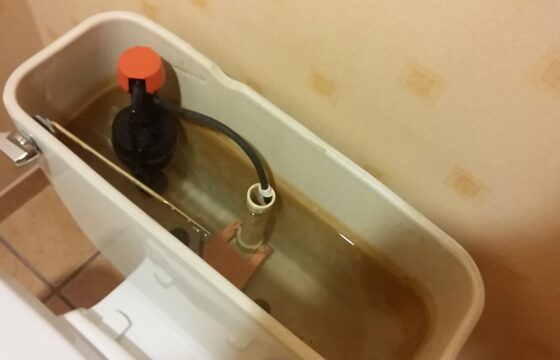
On a two-piece toilet, the tank-to-bowl gasket sits above the floor connection. Kohler’s manufacturer video demonstrates its GP51487 tank gasket and tank installation for applicable two-piece models. It does not demonstrate replacing the wax ring at the floor.
Source: Kohler’s tank-and-gasket guide. Open the source video if the player is unavailable. Third-party installation footage; not a leak inspected or repaired by The Home Fix Guide.
Use the video to identify the joint, not select a part from a puddle. Confirm the model, compatible gasket, safe water isolation, and full installation instructions before service. Tank removal involves heavy, breakable porcelain; get professional help when access, lifting, or reassembly is uncertain. Do not keep flushing a leaking toilet or tighten bolts harder to test a theory.
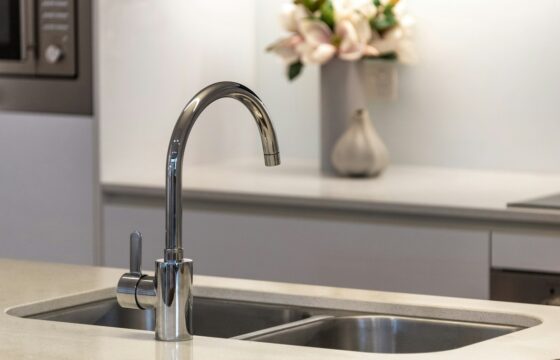
If moisture covers the outside of the tank instead, compare the condensation-versus-leak observations. For the external supply path, see the hose and shutoff photograph. Neither observation certifies that the concealed floor seal is intact.
Do not tighten every exposed nut in the hope that one fixes the problem. Porcelain and plastic fittings can be damaged by excessive force, and a tank may need model-specific support and tightening steps. A crack in the tank is not a routine washer replacement.
If water is moving into the bowl but the exterior is dry, start with our running toilet guide. A toilet dye test checks for a tank-to-bowl leak; it does not certify that the floor seal is sound. Do not use a dye test as a reason to keep operating a toilet already leaking onto the floor.
Could the water be condensation?
Condensation tends to form as distributed moisture on a cold surface, rather than starting at one fitting. Humid bathroom conditions can make the pattern more noticeable. Follow the toilet tank condensation guide if that matches what you see.
Both conditions can exist together. A sweaty tank does not rule out a leaking supply connection, and drying the floor once does not establish that the problem has ended. Note whether droplets return across the tank or whether one joint becomes wet first. If the source stays uncertain, have it checked rather than hiding the area under a mat.
What to tell the plumber
A short, specific description is more useful than a diagnosis made from the puddle. For example: “Water was first visible under the back of the tank, then reached the left side of the base. We stopped using the toilet and closed the accessible supply valve.” That describes an observation without committing to a wax-ring replacement.
- Provide the make and model if visible without unsafe access.
- State when the moisture appeared and whether the toilet was flushing, refilling, or idle.
- Mention any movement, cracks, recent installation, or flooring work.
- Explain whether water affected the room below or other building materials.
- Report which valve was closed and whether water is still spreading.
For substantial damage or water suspected to contain sewage, ask about professional cleanup as well as plumbing repair. EPA’s moisture guidance emphasizes correcting the water source and calls for experienced professional help when contamination is involved. Dry-looking tile does not establish that material below it is dry.
What should the repair estimate cover?
Ask for a written scope separating diagnosis, fixture removal if needed, the actual repair, resetting the toilet, and any floor or ceiling work. A quote for a seal alone may not include a damaged flange or wet subfloor. Confirm how the contractor will seek approval if removal reveals additional damage.
Ask whether the existing toilet can be safely reused, what replacement parts are compatible, and how the repair will be checked before the fixture returns to service. Local labor, access, toilet design, and damage explain why one national price would be misleading. Keep the invoice and findings with your home plumbing maintenance record.
Frequently asked questions
Can I keep using a toilet with a small base leak?
Stop using it until the source is established. A small visible puddle does not show how much water may have reached concealed materials.
Does a clean-looking puddle mean it is only supply water?
No. Appearance alone cannot establish the source or cleanliness of water near a toilet. Use the first wet location and timing as clues, and avoid contact with uncertain water.
Should I replace the entire toilet?
Not automatically. A damaged connection may be repairable, while cracked porcelain or other fixture problems may require replacement. Have the fault identified before buying a toilet or seal.
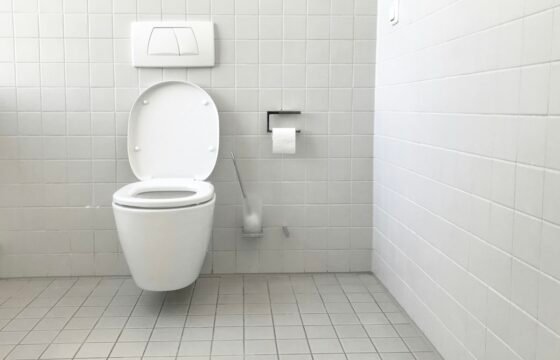
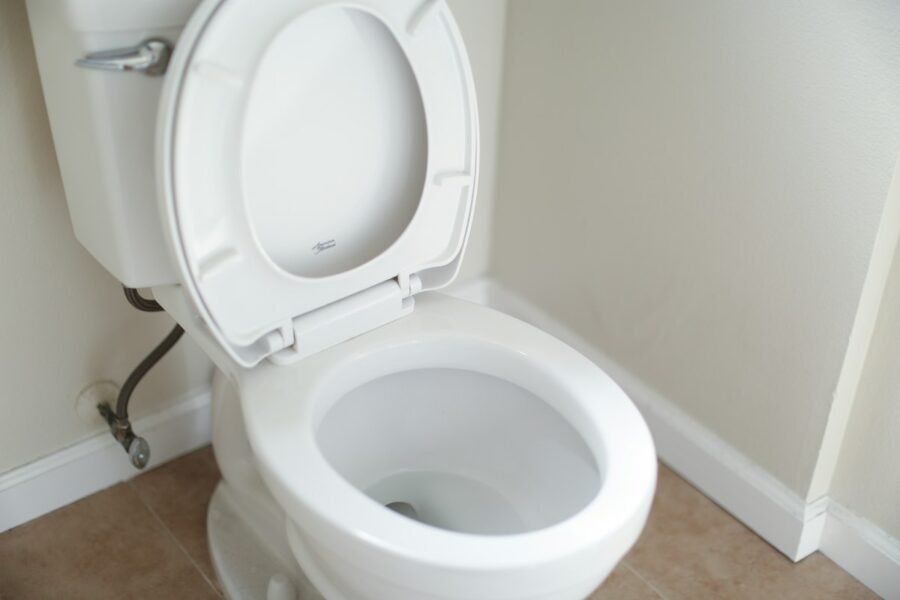
Research-based guidance for US homeowners; manufacturer instructions and an on-site professional assessment take priority. Featured photograph: Giorgio Trovato on Unsplash. The image shows a bathroom fixture, not a documented leak or a repair performed by our team.