If pipes bang when water shuts off, note exactly what stopped: a faucet, a toilet refill, or an appliance taking in water. A sharp knock at that moment can fit water hammer, a pressure surge caused by a rapid change in water flow. Timing is a clue, not a diagnosis of a failed valve or proof that household pressure is too high.
This guide covers household water-supply noise. It helps you separate a shutoff bang from noise during flow, heating-related sounds, and drain gurgling without opening plumbing or deliberately recreating the problem.
If your main symptom is a leak, weak flow, or a slow drain, use the plumbing troubleshooting guide to choose the matching investigation.
When does the bang happen?
Use observations from normal household use. Do not repeatedly snap a faucet closed, flush a toilet, or restart an appliance to make the noise happen again.
- As a faucet closes: a short bang or burst of knocks is consistent with an abrupt flow change. Record which faucet and whether the hot, cold, or mixed setting was in use.
- When a toilet finishes refilling: distinguish the end of tank refill from the flush itself. A closing fill valve belongs on the supply-side investigation; bubbling in the bowl calls for the toilet-bubbling guide.
- When a washer or dishwasher stops filling: record that stage of the cycle. A sound during draining or spinning is a different observation and does not establish a supply-pipe problem.
- While water continues flowing: describe the sound as chatter, hum, whistle, or vibration and identify the fixture. Do not label every continuous noise “water hammer.”
- During warm-up or cooling: ticking or creaking may relate to pipe movement as temperature changes. Noise from radiators, a boiler, or a heating loop needs its own heating-system assessment.
Oatey identifies quick-closing faucets, appliance valves, and toilet fill valves as potential water-hammer triggers. For heating systems, Caleffi describes several distinct noise patterns, including ticking from expansion and contraction. These examples explain why the operating event matters more than calling every sound a bang.
When to stop using the affected fixture
Stop and arrange prompt help for active leakage, forceful visible pipe movement, a damaged hose, or new moisture around a wall or appliance. Avoid further use of the affected fixture or appliance while it is assessed. Keep away from wet electrical equipment, hot discharge, and unstable or sagging surfaces.
If water is escaping, use a known household shutoff only if you can reach and operate it safely. Do not force an old valve or enter standing water to reach one. Our main water shutoff guide explains identification; shared-building valves belong to building management. Get emergency help when flooding, electricity, or hot water creates an immediate danger.
An occasional mild knock without leakage or visible movement does not automatically require an emergency visit. Record it and arrange a routine assessment if it persists, grows louder, or begins after plumbing work. Do not wait for a visible leak before reporting repeated hard banging.
What can you check without taking anything apart?
From a dry, accessible position, look for moisture or an exposed pipe contacting a nearby surface. Do not hold a pipe during operation, reach behind a running appliance, move heavy equipment, or remove a wall panel to find the sound. A photograph of an already visible hose, fitting, or support can help a service professional.
Write down recent changes: a new washer, faucet replacement, valve work, or utility interruption. Contact the installer if the symptom began after work, but avoid assuming that timing proves the installation caused it. Renters should send the same observations to the property manager.
Pressure control, pipe supports, and arrestors do different jobs
Pressure control addresses the supply conditions
Caleffi’s pressure guidance explains that higher-than-needed supply pressure makes water hammer more likely. A plumber may therefore check service pressure alongside the noise. A pressure-reducing valve (PRV) controls downstream supply pressure; a bang alone does not prove it needs replacement.
For a safe, separate baseline measurement, use our home water pressure test guide. Skip testing if there is a leak, moving pipe, or unsuitable connection. A static reading describes pressure when water is not flowing; it does not by itself rule out a brief shutoff surge. Record existing measurements rather than triggering bangs while watching a gauge.
Repeated high readings belong in the high household pressure investigation. Do not adjust a PRV or partly close the main shutoff to experiment with the noise.
Supports address pipe movement and contact
Oatey explains that water hammer can expose loose piping and that appropriate supports can reduce the resulting banging. A plumber can assess the pipe material, support arrangement, and contact points. Simply making the pipe quieter does not establish that its pressure conditions are acceptable. Avoid wedging objects against piping or adding improvised clamps.
An arrestor addresses the rapid pressure surge
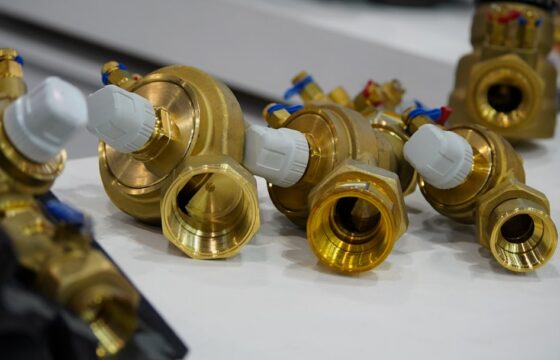
A water hammer arrestor provides a cushion for the sudden stop in flow. Sioux Chief explains that its arresters separate the air cushion from the water and are typically located near quick-closing valves. The appropriate device and location depend on the installation.
Ask a plumber to assess any existing arrestor and explain the proposed sizing and placement. Do not assume one device at the main protects every branch. Watts’ residential arrestor specification includes application limits and sizing information; it is not a universal parts-shopping or installation recipe.
Draining the whole house to “put air back in the pipes” is not a universal repair. This guide does not prescribe system draining, opening a PRV, or installing an arrestor without a system-specific assessment.
What to tell the plumber or property manager
Copy this record, using “unknown” where needed. Do not delay help for a leak to complete it.
- First noticed and recent plumbing or appliance work: ___
- Fixture or appliance involved: ___
- Timing: closing / end of refill / during flow / heating / uncertain
- Sound and location: one knock / repeated knocks / chatter; heard near ___
- Hot, cold, or mixed water in use: ___
- Moisture, damaged hose, or visible movement already observed: ___
- Existing pressure reading, gauge location, and conditions: ___ / not measured
- Safe photos or an existing recording available: ___
Ask what evidence supports the diagnosis and whether the proposal covers valve service, supports, pressure control, or an arrestor. Request separate costs for diagnosis and repair, including any access work. After service, ask how the result was verified under normal operation and whom to contact if the sound returns.
Source-based household observation guide, checked October 2, 2026. It does not describe a repair tested by this publication. Follow the installed equipment’s instructions and local requirements.
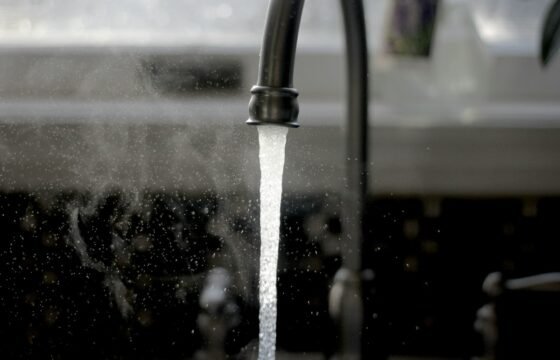
Featured photo: Henry Kobutra on Unsplash, used under the Unsplash License. Illustrative faucet photo; it does not show a diagnosed plumbing fault or a repair performed by this publication.