A weak toilet flush can come from an incompletely filled tank, a flush mechanism that is not operating correctly, restricted bowl passages, or a drainage problem. First check whether the bowl rises or drains slowly. If it does, stop repeated flushing; if it does not, inspect the tank after it finishes refilling.
This guide covers ordinary gravity-tank toilets. Pressure-assisted, concealed-tank, and electronic toilets need their own service instructions. The aim is to identify which part of the cycle is failing before buying a valve or replacing the toilet.
Compare weak flushing with slow refilling, running, and bubbling in the toilet troubleshooting overview.
Start with the bowl, not the replacement parts
Keep the tank and bowl observations in one blank record when arranging help; leave unsafe or unknown checks uncompleted.
“Weak flush” can describe several different events. The handle may move without releasing much water, the bowl may swirl without clearing, or the bowl may rise before slowly dropping. Those observations point to different next steps.
| What you observe | What to check next |
|---|---|
| The tank has not finished filling | Wait for refill to finish. If refill is slow or incomplete, use the slow-refill symptom guide. |
| The handle moves but releases little water | Identify the model and inspect the visible tank and handle linkage under the safety conditions below. |
| The bowl rises unusually high or drains slowly | Stop flushing and follow the drainage checks. If wastewater also backs up into a tub or shower, use the backup response steps. |
| Another drain bubbles during the flush | Compare the connected-drain symptoms and arrange a drain and vent assessment. |
| Water escapes around the toilet | Stop using it and follow the first steps for an external toilet leak. |
If water is reaching the floor, follow the toilet base leak guide first. If the toilet bubbles when the shower runs, the interaction between fixtures matters more than the apparent strength of one flush.
Why tank delivery and drainage need separate checks
A gravity toilet stores water in the tank, releases it through the flush valve, and uses the resulting flow to move waste through the bowl’s trapway. The fill valve then replenishes the tank and bowl. Kohler’s explanation of the flush cycle describes these as separate jobs.
This distinction prevents a common purchasing mistake: replacing a fill valve because the bowl will not drain. A fill valve may matter when the tank never reaches its intended level. It cannot remove an object lodged in the toilet or clear a restricted downstream pipe.
Also distinguish poor bowl washing from poor waste removal. A small area that is not rinsed clean does not, by itself, mean the entire drain is blocked. Record whether waste actually remains, whether the bowl level rises, and whether the problem developed gradually or immediately after a repair.
Check the tank after a complete refill
Open the full-size animation if it does not display here.
| Look at | Record |
|---|---|
| Water level after refill | Compare with the toilet’s marked level or model instructions, not the brim of the tank. |
| Handle and linkage | Does the handle move the mechanism normally, or is the chain caught? |
| Flapper or canister movement | Note sticking or a recent wrong-part replacement. Do not lengthen the flush by adding weights or changing settings at random. |
| Bowl response | If the bowl rises unusually, stop flushing and follow the drainage section below. |
The visible tank cycle and the bowl’s drainage are separate observations. A normal-looking flapper does not rule out an obstruction farther along the drain.
If there is no overflow risk, active external leak, or suspected chemical contamination, lift the ceramic lid carefully with both hands and place it on a protected, stable surface. Do not balance it on the tank edge. Look without taking the valve assembly apart.
- Find the model information. Photograph markings inside the tank or on the underside of the lid. Use that model’s manual rather than an image of a similar-looking toilet.
- Compare the resting water level with the specified fill line. Do this after the fill valve has stopped. Do not raise the level above the manufacturer’s setting to make the flush stronger.
- Observe the handle linkage. Look for a visibly disconnected chain, interference, or a lever touching another component. Adjustment dimensions depend on the mechanism.
- Note whether the tank loses water between uses. Unexpected refilling suggests a separate leak or valve issue.
Use the slow-filling toilet tank guide when refill time is the main issue. If water keeps running after refill, start with the running toilet checks. Avoid changing several adjustments together: that makes it harder to know what caused any improvement.
Video: a canister valve is not a hinged flapper
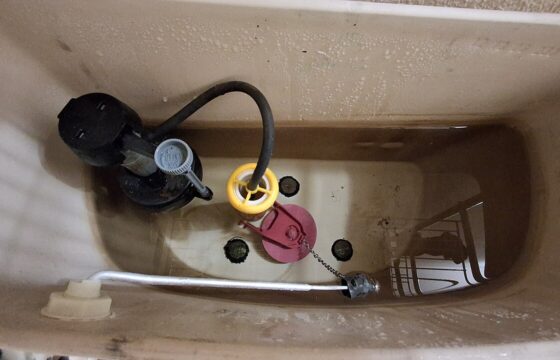
Match the flush mechanism first. The moving photograph above shows a hinged flapper. Kohler’s video below covers adjustment and replacement of a single-flush canister system. It is a different mechanism, not a reason to copy the flapper’s motion or fit the same part.
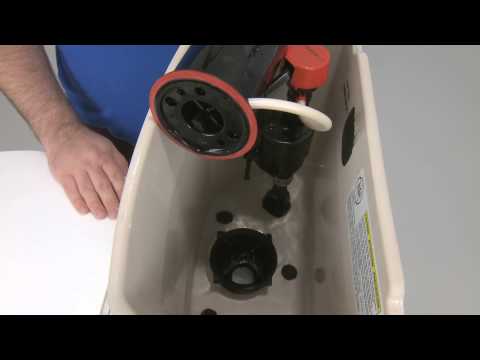
Manufacturer source: Kohler’s canister-valve guide. Open the original video if the player is unavailable. Third-party service demonstration, not work performed by The Home Fix Guide.
Observe before adjusting. Confirm the exact toilet model and follow its complete isolation and service instructions before opening an assembly. Do not increase the water level, add weights, or hold the seal open to force the tank to empty. If the bowl rises or wastewater backs up, stop flushing; a tank adjustment cannot clear a drain obstruction.
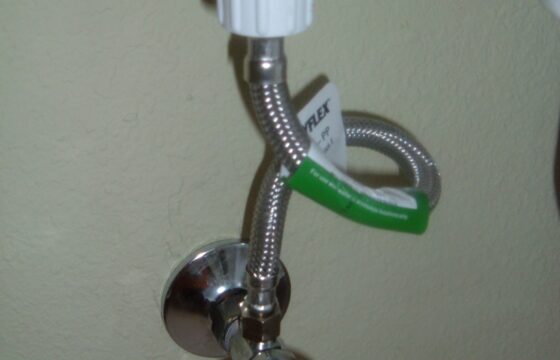
Use the flapper and fill-valve photo comparison to name the part. If refilling itself is slow, use the supply-path inspection instead. The next section explains why remaining tank water can be normal.
Do not assume the tank should empty completely
Some toilets deliberately retain water in the tank after a normal flush. A canister that closes quickly is not automatically defective. Kohler specifically explains that partial tank emptying can be normal for its designs. Judge the fixture against its own instructions and whether it clears the bowl properly.
For a dual-flush model, verify that you are using the intended full-flush control for solid waste. If the problem started immediately after new parts were fitted, keep the packaging and part numbers. A physically fitting seal or flapper is not necessarily calibrated for that toilet.
Do not permanently hold a flapper open, add weights, or bend internal parts to increase water release. Those changes can create continuous water loss or hide the original fault. A manufacturer support representative can often check compatibility from the model and replacement-part numbers.
Recognize a drainage problem before testing again
Stop repeated test flushes if the bowl rises, empties slowly, or makes other drains react. Kohler’s poor-flush troubleshooting includes rising water, slow emptying, recurring clogs, and drain noises among clues that the waste or vent system needs attention. These clues do not locate the blockage on their own.
Check what you already know about nearby fixtures. Did the tub drain slowly earlier? Did the sink make a noise at the same time? You do not need to run a full bath or washing-machine load to gather more evidence. If wastewater backs up, stop household water use and call for prompt service.
Do not pour chemical drain opener into the toilet, mix cleaners, use boiling water, or follow an aggressive bucket-flush test when drainage is uncertain. Tell the technician if any cleaner has already been used. Pressure-assisted tanks should not be opened or dismantled using instructions intended for gravity toilets.
What can you safely correct yourself?
A homeowner can check the selected flush button, allow a full refill, identify the model, and compare visible settings with the manual. A clearly described, accessible adjustment may be reasonable when the fixture is sound and the instructions match exactly. Stop if a part is stuck or the required procedure is unclear.
For ordinary bowl cleaning, use a product and method approved for the toilet’s finish. Do not drill water passages or scrape glazed surfaces with improvised metal tools. Cleaning visible deposits is different from diagnosing a hidden obstruction. Keep chemicals out of the tank unless the manufacturer explicitly permits that product.
After a permitted adjustment, assess one normal flush only when the bowl is at its usual level and drains freely. Record the result, then restore the lid securely. Repeatedly changing settings without improvement is a reason to seek help, not to keep increasing the water level.
When to call a plumber and what to ask about cost
Arrange professional help for recurring clogs, uncertain tank components, no improvement after a model-specific check, or a toilet that has never flushed correctly since installation. Escalate promptly for wastewater backup, multiple affected fixtures, cracks, or leakage onto the floor.
Request a written estimate in USD with the diagnostic visit, compatible parts, drain clearing if needed, and any toilet removal listed separately. Ask whether a camera inspection is justified by the findings and whether the quoted price includes resetting the toilet and checking for leaks. A simple linkage correction and a shared drain repair have different scopes; a single national repair price would conceal that difference.
Your service note can be short: “Tank reaches its marked line; bowl rises before draining; nearby tub also drains slowly; no parts changed.” This is more useful than reporting only that the flush feels weak.
Frequently asked questions
Will higher household water pressure make a gravity toilet flush harder?
Do not adjust the home’s pressure regulator for this symptom. A gravity toilet primarily flushes with stored tank water. First establish that the tank fills correctly and the bowl can drain. Other toilet technologies have different supply requirements.
Why do I have to hold the handle down?
It can reflect a linkage or flush-valve problem, incompatible parts, or a drainage issue. Note the tank level and bowl behavior; holding the handle is an observation to report, not a permanent repair.
Should I replace the toilet immediately?
Not solely because the flush is weak. Confirm the model, tank operation, and drainage first. Replacement may be appropriate after diagnosis, especially for damaged fixtures, but a new toilet will not correct a restricted shared drain.
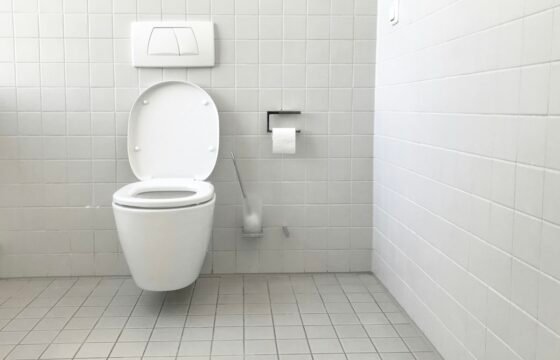
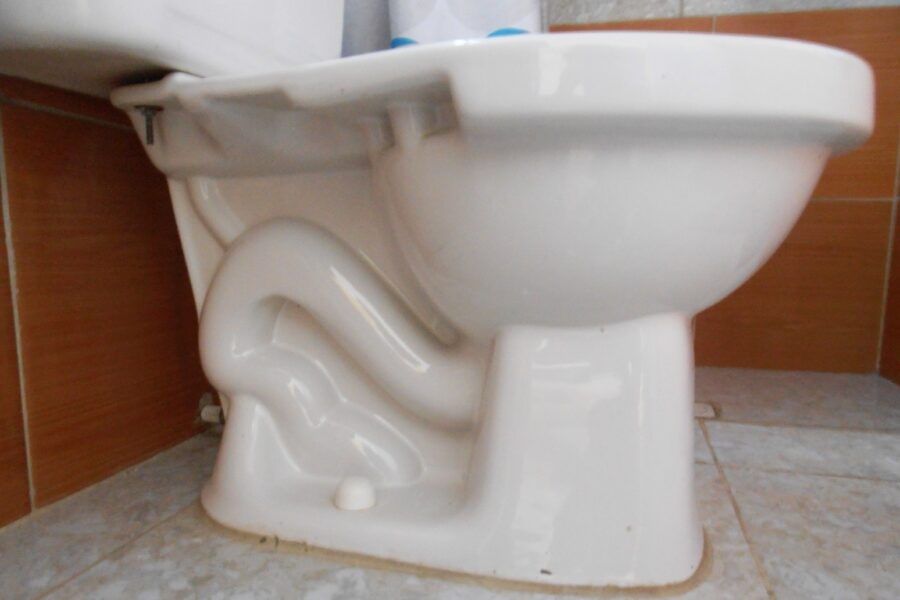
Featured photo: Sarang / Wikimedia Commons, released into the public domain by the photographer. Resized or cropped for display. This side view illustrates a toilet bowl; it does not show a measured weak flush, a diagnosed fault, or a repair by our team.